
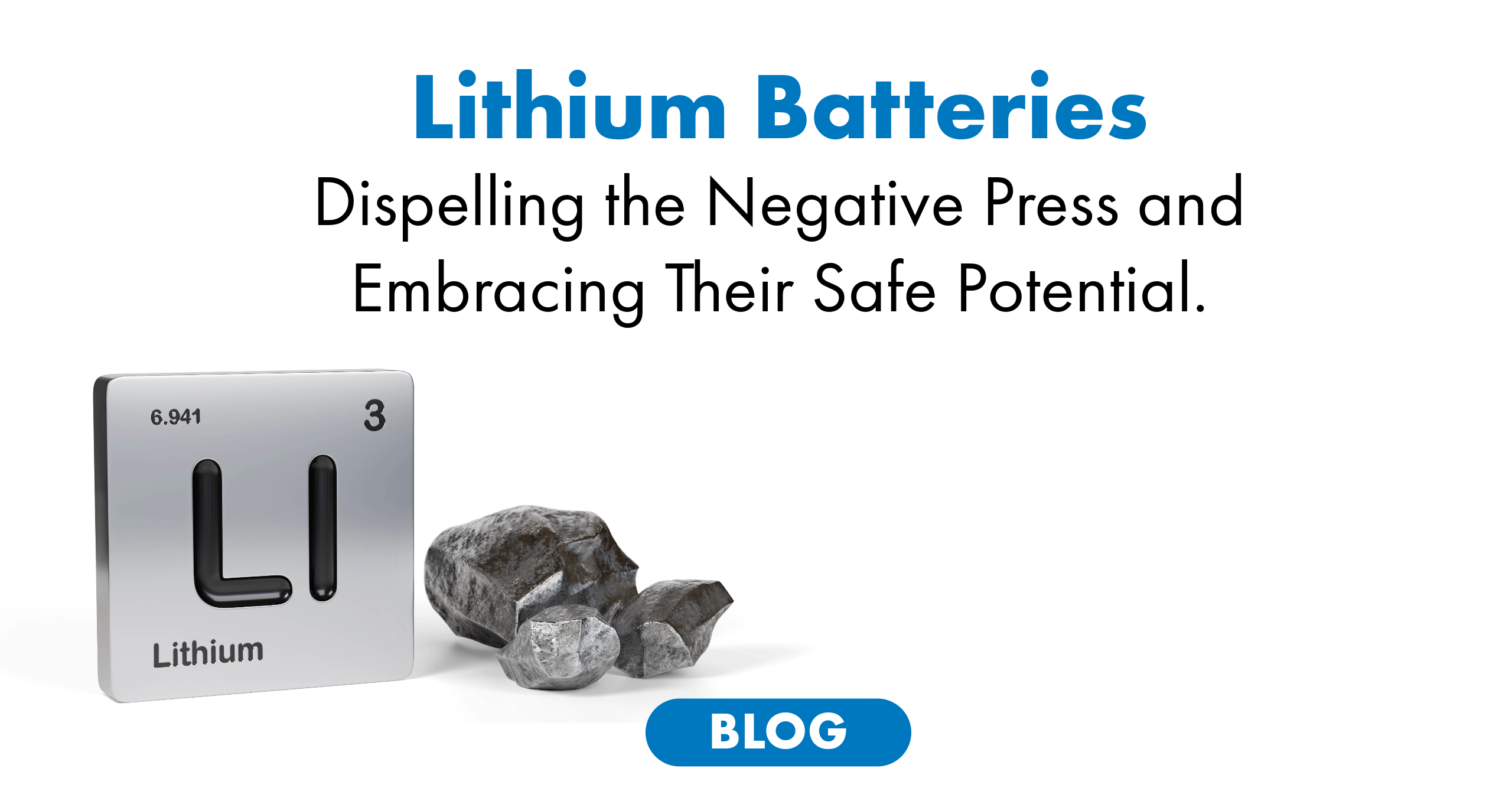
Lithium Batteries: Dispelling the Negative Press and Embracing Their Safe Potential.
In recent years, lithium batteries have gained significant attention, not always for positive reasons. Reports of explosions, fires, and other safety concerns have dominated headlines, leading to scepticism and fear surrounding these energy storage devices. However, it’s crucial to understand that lithium batteries are safe when handled and treated correctly. In this blog post, we will explore the safety aspects of lithium batteries and shed light on why they should not be a matter for concern.
The Safety Controversy
Lithium batteries are widely used in various applications, including Automotive, Leisure, Marine, Agricultural, Battery Packs (to name but a few!). With their increasing popularity, any unfortunate and rare incidents involving these batteries tend to attract substantial attention. It’s important to note that such incidents are extremely rare and in the vast majority of cases occur due to mishandling or abuse of the batteries, rather than inherent flaws in the technology itself.
Know Your ‘Lithium’
There are several different types of lithium batteries, each with its own unique characteristics, benefits, and safety considerations. More often than not the term ‘Lithium’ is widely used to cover all the different Lithium technologies and they are all placed under the same umbrella. The reality is they are all quite different.
Lithium-ion (Li-ion) Batteries: Li-ion batteries are widely used in consumer electronics and in some electric vehicles. They offer high energy density, allowing for longer-lasting power and lighter devices. Li-ion batteries are also known for their low self-discharge rate and minimal memory effect. They require careful charging and discharging to prevent overheating and potential safety hazards.
Lithium Polymer (Li-Po) Batteries: Li-Po batteries are a variation of Li-ion batteries, known for their flexibility in shape and size. They are commonly used in smartphones, tablets, and drones due to their thin and lightweight design. Li-Po batteries can provide high discharge rates, making them suitable for devices that require bursts of power. However, they do require special care during charging, as improper handling can lead to ‘swelling’ and other issues.
Lithium-Manganese Oxide (Li-MnO2) Batteries: Li-MnO2 batteries are often found in medical devices, cameras, and watches. They offer a high energy density and are relatively safe due to their stable chemistry. Li-MnO2 batteries have a longer shelf life, good low-temperature performance, and can provide a consistent power output. However, they are sensitive to overcharging and should be used with caution to prevent potential damage.
Lithium Iron Phosphate (LiFePO4) Batteries: LiFePO4 batteries are renowned for their exceptional safety and long cycle life. They are commonly used in Automotive, Leisure, Marine, Agricultural, Golf, Battery Packs, Solar, plus many others. Indeed, the market leading AVON LFP Lithium battery range includes LiFePO4 technology and is trusted across the U.K. in a plethora of different applications. LiFePO4 batteries offer excellent thermal stability, massively reducing the risk of thermal runaway and fire. They have a lower energy density compared to Li-ion batteries but provide a significantly higher discharge rate and a wider temperature range.
A high-quality Battery Management System (BMS) is essential for ensuring safety in LiFePO4 batteries. It monitors individual cell voltage, temperature, and current, preventing overcharging, over-discharging, and thermal runaway. It balances cell voltages, detects faults, and triggers protective measures, minimizing the risk of fire, explosion, and performance degradation, thereby safeguarding both users and their surroundings.
Misconceptions about Lithium Batteries
- Explosions and Fires: While it is true that lithium batteries can catch fire or explode, these occurrences are extremely rare. In most cases, the issue is as a result of physical damage to the battery, overcharging, or using incompatible chargers. When handled correctly and charged within the recommended voltage limits, lithium batteries pose no greater risk than other energy storage technologies.
- Thermal Runaway: Thermal runaway is a phenomenon where an increase in temperature in one part of the battery triggers an uncontrollable chain reaction, leading to overheating and potential battery failure. While this can happen in certain scenarios, modern lithium batteries are designed with advanced features, including thermal management systems and protection circuits, to minimise the risk of thermal runaway.
Poor Handling and Storage
To ensure the safe use of lithium batteries, it is essential to follow these guidelines:
- Charging: Always use a charger specifically designed or as advised by a battery specialist for the battery or device. Avoid overcharging, as it can cause overheating and potential damage. Be cautious when charging lithium batteries overnight or unattended.
- Storage: Store lithium batteries in a cool, dry place, away from flammable materials. Avoid exposing them to extreme temperatures or direct sunlight. If storing for an extended period, ensure the battery is partially discharged (around 40-60% of capacity) and periodically check its charge level.
- Transportation: When transporting lithium batteries, especially in large quantities, follow the relevant regulations and guidelines provided by the transportation authorities. It is important to prevent physical damage to the batteries during transportation.
Innovations Maximising Lithium Battery Safety
Battery manufacturers and researchers continue to invest in improving the safety of lithium batteries. Here are some notable advancements:
- Battery Management Systems (BMS): BMS technology plays a crucial role in monitoring and controlling the performance and safety of lithium batteries. These systems oversee parameters such as temperature, voltage, and current, ensuring optimal conditions and preventing potential hazards.
- Fire-Resistant Materials: Researchers are exploring the use of fire-resistant materials for battery components to minimize the chances of thermal runaway and subsequent fires. These materials can act as barriers, limiting the spread of flames and heat in the event of a battery failure.
Lithium batteries have revolutionised modern battery technology and offer many advantages over more traditional battery technologies including: –
- Bluetooth connectivity. Enables the user to monitor the battery’s Key Performance Metrics live, via a smart device.
- A significant reduction in weight of around 40-50%
- More available energy. Up to 95% depth of discharge without detriment to the battery.
- A hugely extended life cycle. Lithium batteries can last much longer than other technologies, potentially up to twenty times longer! This is because they offer far more cycles than other technologies. If a standard lead acid battery can complete 500 cycles in its lifetime, a Lithium battery can do 5000+ cycles at 50% depth of discharge (DoD).
Despite the negative press they have received, it’s crucial to recognise that when handled correctly and used within their recommended parameters, lithium batteries are safe and reliable. Following proper charging, storage, and handling guidelines, along with advancements in battery management systems and innovative designs, will ensure their continued safe use.


